Get More Personal Training Clients in Kingston Without Ads
Instagram gets you visibility. Google gets you clients who are ready to book. For most personal trainers in Kingston upon Thames and Surbiton, the second one is doing less work than the first, and it should be the other way around.
By Eva Petrakova · Local Business Systems
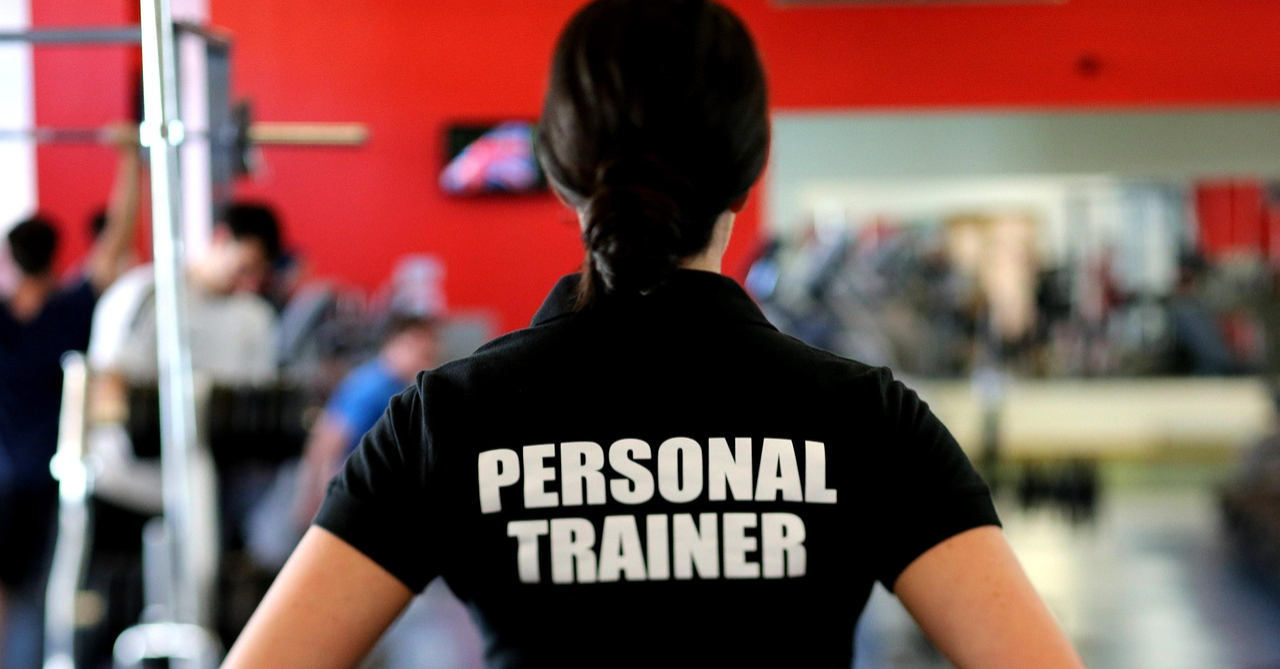
Most personal trainers spend their marketing time on Instagram. Posts, reels, stories, replies to comments. It is visible work, it feels productive, and occasionally it brings in a client.
The problem is that Instagram shows your content to people who were not looking for a personal trainer. You are interrupting them. Some will follow. A smaller number will ever book. And the algorithm decides how many of your followers actually see what you post.
Findable for the right people, not everyone
The most common mistake on a PT's Google Business Profile is not a missing field or a stock photo. It is trying to appeal to everyone, everywhere. The profile reads the same as every other PT's profile in the area, because it is written to not put anyone off rather than to actually speak to anyone.
The instinct makes sense: reach more people, increase the odds someone picks you. But it works the other way round. If you know exactly who you help, better than anyone else nearby, you want those specific people finding you in a crowd of generic PT listings, not the widest possible audience scrolling past you.
Set a Google Business Profile up to say "personal trainer, everywhere, everyone" and it is competing with every established national fitness brand, with no advantage at all. Now picture someone searching for help with one specific, difficult problem: recovering from a knee injury, training through a first marathon, getting strength back after a long break from exercise. If a trainer who specifically works with that exact problem shows up next to a generic local listing, there is no contest. The specific one wins, every time.
The same logic applies to location. Training in person or online, a local trainer brings something a national brand cannot: the right gyms, the right outdoor spots, the right local knowledge, and the simple fact that people like supporting a small business near them. Take on clients scattered across the country and you risk losing them the moment they realise you do not know their everyday realities. Charging a bit more per session for a client further out can look like a good trade-off on paper, until two or three hours a week go on the commute and the transport costs, time and money you would never have spent on a client five minutes away.
You want a decent volume of the right people, not a huge number of people who were never going to choose you. If you try to be for everyone, you become the top choice of no one.
None of this is permanent. Laser focus on who you are for first, get the proof that it works, get established, get the reviews flowing in, and the scope can widen later from a position of strength. Trying to do all of it at once, narrow and broad together, is what does not work.
The difference between social and search
When someone searches "personal trainer Kingston" or "personal trainer near me" on Google, they are not browsing. They have already decided they want a PT. They are choosing between a short list of options. The intent is purchase-ready in a way that Instagram engagement rarely is.
A well-maintainedGoogle Business Profileputs you in front of that search. Instagram does not.
What Google actually needs from you
The personal trainers who appear at the top of local Google searches have profiles that look active and credible. Not perfect. Active and credible.
Primary category: Personal Trainer (not Gym or Fitness Centre)
Services listed: outdoor training, online coaching, nutrition support, whatever you offer
Real photos of sessions, not stock images of gyms
Reviews coming in consistently, not in one batch from a year ago
Posts updated at least twice a month: a client result, a training note, something current
A booking link so someone who finds you can act immediately
This is not a full-time job, but it is not a five-minute job either. Setting it up properly takes about half a day, and keeping it active takes roughly an hour a week, publishing posts and updates. That is still less time than most PTs already spend on social media, especially with the right tools behind it, but it is real, ongoing time, not a one-off task you tick off and forget. And doing it does not guarantee anything. Set up badly, or left inconsistent, it will not convert, no matter how much time you put in. The difference between a profile that works and one that does not is attention, applied properly, not just attention.
Why reviews matter more than followers
A potential client reading three specific, recent reviews from real people is closer to booking than someone who has followed you for six months.
Reviews on Google carry weight that Instagram followers do not. They are public, they are specific, and they come from people who have no incentive to say something positive except that they mean it. A five-star review from a client describing exactly what changed for them is more convincing than any reel you could produce.
Getting reviews consistently is a system problem, not a charm problem. A message that goes out automatically after a set number of sessions, or at a planned milestone, rather than after every single one, at the right time, with a direct link, removes all the awkwardness from the ask and makes the behaviour repeatable without becoming annoying.
Why ads feel like the easier option, and why they are not
Most PTs default to paid ads because the alternative looks impossible without them. SEO takes a few months to compound, and if you need clients now, that wait feels unworkable. It is not that SEO itself is the low-budget option, it is that most PTs starting out genuinely are on a low budget, which is exactly why they want something that feels faster. If you have the budget for both, there is no need to choose; run ads while the SEO foundation compounds in the background. The choice between the two is really a budget question, not a which-one-works question.
If money is genuinely tight, SEO is the option you can do yourself without spending anything beyond your own time. Paid ads are the riskier starting point in that situation, not the safer one. Putting money into ads before you know what actually converts for your business, what message lands, what offer gets a reply, is a gamble. Without that groundwork, ad spend just finds out the hard way what does not work.
The real difference shows up later. Ads work, for some people, for as long as the money keeps flowing. The day you stop paying, you are back exactly where you started. SEO is different: once it starts compounding, you have a growing asset that keeps paying you back, not a tap you have to keep turning on.
The three points where most PTs quit
There are a few honest reasons SEO does not work for most people, and none of them are really about SEO.
The first is overwhelm at the start. Google Business Profile, Search Console, Analytics, the website, the blog, internal links, keywords, all of it needing to work together. Getting your head around it, let alone setting it up, is a lot before anything has even gone live.
The second is the consistency drop-off. AI-generated posts published without any real strategy behind them do nothing in today's search results, so doing this properly takes ongoing effort, not a one-off burst. A few weeks in, with no clear sign you are doing it "right" and no end in sight, most people quietly stop.
The third only shows up once it is actually working: new clients start arriving, and now there is no time or appetite left for the admin, because the goal was always to be a PT, not an SEO manager. That is the point wherehaving someone else manage itstarts to make sense.
Month two can look worse than before you started, and that is normal. Every week is one more foundation stone. Do not compare your month two to someone else's year three; it is not a fair comparison.
While that foundation is going in, the fastest parallel win is reviews: asking current and recent clients, consistently, so Google and AI search tools both start treating you as a credible, trusted expert in your field sooner rather than later.
None of this is rocket science. Think about the community you actually want to help, work out how you would help them, whether they are ready to buy from you yet or not, and do that consistently, online. The rest tends to follow. If you run coaching sessions rather than PT sessions, the same search principles apply -- seewhether coaches need a Google Business Profile.
And if you have been putting in the hours for years andthe effort still is not turning into clients, the reason is usually that the work keeps restarting before it can build.
© 2026 Local Business Systems. All rights reserved.