How to Get More Personal Training Clients Without Running Ads
Instagram gets you visibility. Google gets you clients who are ready to book. For most personal trainers in Surrey, the second one is doing less work than the first, and it should be the other way around.
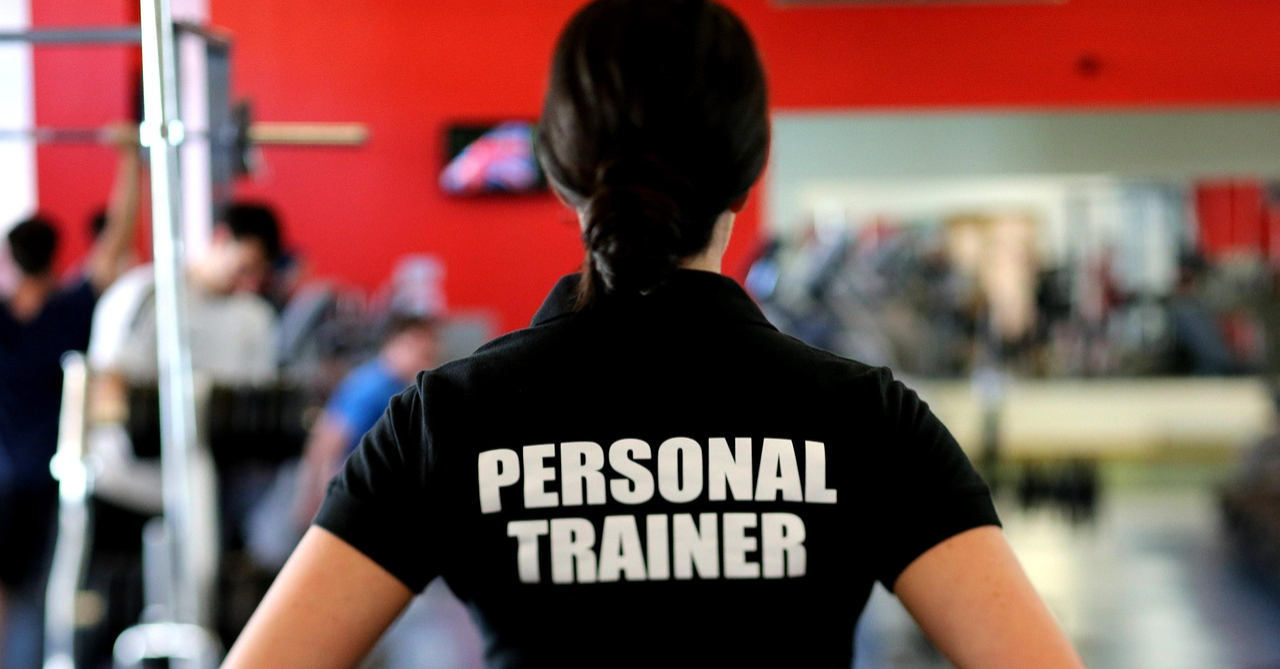
Most personal trainers spend their marketing time on Instagram. Posts, reels, stories, replies to comments. It is visible work, it feels productive, and occasionally it brings in a client.
The problem is that Instagram shows your content to people who were not looking for a personal trainer. You are interrupting them. Some will follow. A smaller number will ever book. And the algorithm decides how many of your followers actually see what you post.
The difference between social and search
When someone searches "personal trainer Kingston" or "personal trainer near me" on Google, they are not browsing. They have already decided they want a PT. They are choosing between a short list of options. The intent is purchase-ready in a way that Instagram engagement rarely is.
A well-maintained Google Business Profile puts you in front of that search. Instagram does not.
What Google actually needs from you
The personal trainers who appear at the top of local Google searches have profiles that look active and credible. Not perfect. Active and credible.
- Primary category: Personal Trainer (not Gym or Fitness Centre)
- Services listed: outdoor training, online coaching, nutrition support, whatever you offer
- Real photos of sessions, not stock images of gyms
- Reviews coming in consistently, not in one batch from a year ago
- Posts updated at least twice a month: a client result, a training note, something current
- A booking link so someone who finds you can act immediately
This is not a full-time job. It takes a few hours to set up properly and a small amount of time each month to maintain. The difference between a profile that converts and one that does not is mostly a matter of whether anyone is paying attention to it.
Why reviews matter more than followers
A potential client reading three specific, recent reviews from real people is closer to booking than someone who has followed you for six months.
Reviews on Google carry weight that Instagram followers do not. They are public, they are specific, and they come from people who have no incentive to say something positive except that they mean it. A five-star review from a client describing exactly what changed for them is more convincing than any reel you could produce.
Getting reviews consistently is a system problem, not a charm problem. A message that goes out automatically after each session, at the right time, with a direct link, removes all the awkwardness from the ask and makes the behaviour repeatable.
Where ads fit, and where they do not
Paid ads can bring in clients, but they stop the moment you stop paying. Google search, organic and Maps-based, builds over time. A PT with a strong local search presence and steady reviews will see enquiries come in without ongoing ad spend. That is a fundamentally different position from one that is always chasing the next Instagram post or the next campaign.
Bark.com is also worth a look for PTs: it generates inbound lead enquiries and does not require ongoing content creation. The quality of leads varies, but it reaches a different pool of potential clients than either Instagram or Google.
The short answer
Getting more personal training clients in Surrey is less about reach and more about being findable at the moment someone decides they want a PT. Google is where that moment happens. Instagram is where you remind people you exist. Both have a role, but for most PTs, one of them is doing much more work than the other.
Want to see what your Google presence looks like right now, and what it would take to start appearing in local search? Book a free 15-minute call.
Book a free call →Free call. No obligation.